Whoa! Okay, so check this out—browser wallet extensions changed how I use crypto. They made interactions faster, cleaner, and, honestly, a little addictive. My instinct said: if you’re messing with Solana dapps, you need a good extension. Initially I thought any wallet would do, but then I started losing time and attention to clunky interfaces and weird connection prompts. Something felt off about some extensions—so I dug in.
Quick confession: I’m biased toward simple UX. I’m biased because I use these tools daily. I’m not 100% sure about everything, but there are patterns that keep repeating. Some wallets put security first, others prioritize speed. Sadly, few do both well. This part bugs me about the space.
Why use a browser extension at all? Well, browser extensions sit between your browser and the web app, right where DeFi happens. They manage keys locally, sign transactions, and let dapps talk to your account without exposing your private key. Medium-sized apps—wallets like Phantom—wrap that functionality in an interface that feels natural on desktop browsers. On one hand it’s convenient; on the other, it creates a single point of failure if you install a shady extension. So you gotta be careful.
Short story: extensions speed up onboarding. They also make recurring interactions—swaps, staking, approvals—less painful. But there are trade-offs. If you click the wrong approve button, you could approve a malicious program. Seriously? Yes. Always double-check. My first impression was relief—then a slight panic when I realized how permissive some approvals can be.
Core features I look for in a Solana wallet extension
Fast transactions. Solana itself is speedy, and a good extension keeps latency low. You want transactions that feel near-instant to click through. You also want clear gas/fee info, even though Solana fees are tiny. Transparency matters.
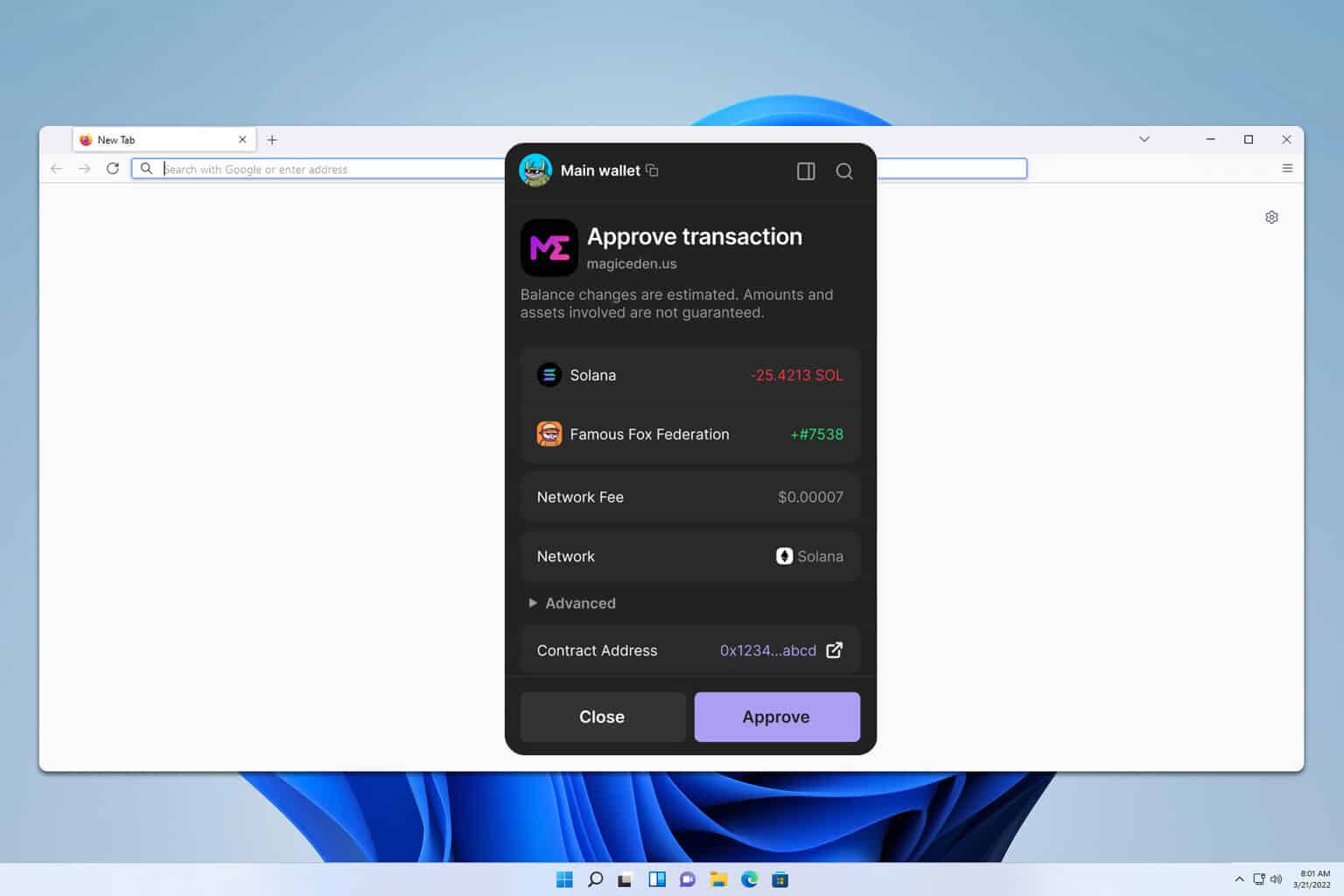
Clear UX for approvals. When a dapp asks for permission to manage tokens, the prompt should say exactly what it’s asking. No vague language. No hidden checkboxes. If a prompt looks like legalese, be suspicious—somethin’ about that makes me uneasy.
Local key management. Keys should remain on your device, encrypted with a password you control. Hardware wallet compatibility is a plus—a huge plus, actually. Use a hardware signer for large holdings or long-term positions. On one hand, software wallets are convenient; though actually, for serious funds, I use hardware and you probably should too.
Account and token visibility. A good extension lists your SPL tokens, shows balances, and has a decent transaction history. Some extensions even let you add custom tokens easily. That’s helpful when you’re testing new projects and need to watch an odd token pop up.
Recovery options. Twelve-word seed phrases are old school but still the baseline. Check how the extension handles backups and phrase exports. If you can’t export safely, that’s a red flag—do not proceed.
Installation and safety—real advice, not fluff
Install from vetted sources only. Period. If you find an extension on a random site, don’t. Use the official Chrome Web Store, Firefox Add-ons, or the official project page. And verify the publisher: many scams mimic names closely. I’ll be honest—this is where people slip up the most. They click fast and assume everything’s legit.
When in doubt, cross-check. Look for the project’s official site and social channels to confirm the extension’s publisher. If the project points you to an unfamiliar URL, pause. Also: never share your seed phrase with anyone, ever. No support rep needs it. Ever. Seriously, no one.
Manage approvals deliberately. Some dapps ask for blanket permission to manage tokens or sign transactions. That’s convenient but risky. Approve only what you need. If a dapp asks to move all your SOL or tokens, revoke that permission after the task completes. There are tools to review allowances—use them. (Oh, and by the way… review approvals occasionally. It’s easy to forget.)
Keep the extension up to date. Developers push security updates and bug fixes constantly. Auto-update helps, but sometimes you want to check release notes if a big change lands. Also, watch for phishing pop-ups or fake connection requests that mimic the wallet’s UI. If something looks off, close the site and go back in fresh.
Using the wallet with DeFi apps
Connecting is usually one click: connect, approve, done. But the real nuance is understanding the transaction you’re signing. Wallets show the instructions, amounts, and sometimes program IDs. If you don’t recognize a program ID, ask or look it up in a block explorer. My process: glance, verify amounts, check destination, then sign. It’s quick, but deliberate.
Batching and multiple signatures are common in some DeFi flows. A multi-step swap might require two or three confirmations. That’s normal. Take the time to read each confirmation screen. If a screen asks to approve something without clear details, cancel and inspect on-chain later.
Cross-chain bridges and wrapped assets complicate things. If you’re bridging funds to or from Solana, check the bridge’s reputation and fees. Bridges are high-value targets for exploits. On one hand, bridging unlocks liquidity; on the other, you’re trusting a smart contract. Weigh the trade-offs.
Hardware wallets integrate with many extensions; do that for big sums. It adds friction, sure, but it’s worth it. I use a hardware signer for my main accounts. Small daily amounts can live in a hot wallet, but larger positions should be cold-backed.
What to watch out for—real threats and silly mistakes
Copycat extensions. Scammers create extensions with names nearly identical to popular wallets. Always verify publisher and install count. Low installs and no social proof are suspicious.
Fake support channels. If someone DMs you claiming they’re support and asks for your seed phrase—or a signed message—do not comply. No support needs your private keys. Repeat: no one needs your seed phrase.
Token rug pulls. Approving an unknown token’s spending rights can let malicious contracts drain liquidity. When in doubt, set allowances to minimum or use one-time approvals. It’s slower, but it’s safer.
Browser compromise. Extensions are only as safe as your browser. Keep it updated. Avoid running a million other sketchy plugins at once. A compromised browser can undermine even the best wallet extension.
Backup paranoia is healthy. Store seed phrases offline, in multiple physical locations if needed, and consider metal backups for disaster resilience. Digital backups are convenient—but also vulnerable.
FAQ
Is a browser extension safe for daily DeFi use?
Yes, if you follow security basics: install from official sources, use strong passwords, enable hardware signing for large amounts, and review approvals. For small, frequent trades it’s fine; for long-term holdings, consider a hardware wallet.
How do I verify an extension is legitimate?
Check the publisher on the browser store, cross-reference the project’s official website and social channels, and look at user reviews and install counts. If anything looks off, pause and confirm before installing.
Where can I get a reputable Solana extension?
If you want one option to try, consider phantom—but please double-check the official Phantom site (phantom.app) and the browser extension store to ensure you’re installing the authentic release. Better safe than sorry.