Okay, so check this out—I’ve been poking around wallets for years, and something’s been nagging me. Wallets talk big about “multichain” and “security,” but the user experience often feels slapped together. Wow. The result? People bail on DeFi opportunities or, worse, expose their keys because the UX didn’t guide them. My instinct said there’s a better way, and after testing a handful of apps and hardware combos, a few patterns stood out very clearly.
First off: DeFi isn’t a silo. It’s an ecosystem with composable pieces — lending, staking, yield aggregation, AMMs, NFTs, bridges — all of which demand that a wallet be more than a key manager. Medium-level complexity, sure, but manageable if the wallet does three things well: present clear risk signals, make cross-chain interactions predictable, and let users confirm critical steps on a secure device. Sounds obvious, though actually implementing it is where teams stumble.
Here’s the thing. When a wallet treats DeFi as a checklist item — “we integrate Uniswap, Aave, and Curve” — the deeper problems remain. Transaction flows get confusing when tokens hop chains. Fees surprise users. Slippage and approval UX is clumsy. And mobile UX? Often an afterthought. On the other hand, wallets that prioritize composability and hardware signing deliver a calmer, safer experience. I’m biased, but the difference is night and day.
DeFi integration: not just APIs, but context and guardrails
DeFi integration should offer context. Short sentence. Users need guardrails: suggested slippage based on pool liquidity, fee estimates that show fiat equivalents, and visual cues for bridge-related risks. Seriously?
Imagine a swap UI that warns you not just “high slippage” but explains why — the pool depth is low, or the token has no real liquidity on-chain. That’s useful. Also, real DeFi flows include multi-step interactions: approve, swap, stake. The wallet should abstract approvals safely (batching approvals when safe, but not hiding them). On one hand, making actions easy is good. On the other hand, hiding steps creates blindspots. So the design challenge is balancing friction and clarity — friction where it matters, fluidity where it’s safe.
Another practical win is native aggregator support with transparent routing. Let the user pick between cheap-but-slow or prime-liquidity routes, and show the tradeoffs. I once watched a friend rout a $1,000 swap through a route that cost twice the gas because the UI buried the comparator. Oof. These mistakes are avoidable when wallets surface the right info.
Hardware wallet support: the non-negotiable trust anchor
Hardware wallets are the single best move for security. Period. They isolate private keys and give users an independent confirmation device. Wow. But mobile-first users often shy away because pairing hardware to phones feels clunky. That’s where smooth pairing, clear on-device prompts, and consistent signing semantics matter.
There are tricky bits: smart contract interactions require signing messages that users can’t fully read on tiny device screens. So the wallet should translate contract calls into plain language confirmations on the host app and mirror critical checks on the device. Actually, wait—let me rephrase that: both the app and the hardware should show matching, minimal yet critical details — destination address summary, amount, and the action type (approve, transfer, delegate). If the device shows just a hash, users get lost, and trust erodes.
On a technical level, supporting multiple ledger formats (U2F, WebAuthn, Bluetooth, Bluetooth LE) and widely used devices increases adoption. But do not overpromise: not all hardware devices support every chain or contract type. Tell users what works and what doesn’t. I’m not 100% sure every model covers every chain, but being transparent about limitations builds trust.
Mobile wallet design: make safety feel native
Mobile is primary for most people in the US. Yep. The phone is where they check prices, panic-sell, or discover a defi opportunity in a tweet. So mobile wallets must be fast, glanceable, and secure. Push notifications for transaction status? Useful. But push notifications that reveal balances? Not great. Balance the convenience with privacy.
Keep button labels consistent. Use progressive disclosure: show high-level summaries first, then let users expand for gas/wallet details. Native biometrics can be a quick lock, but don’t treat biometrics as a substitute for keys; they’re a usability layer, not a backup. Also, offline backups need to be simple and clear: seed phrase export, encrypted cloud backups, or integration with hardware key storage — each has tradeoffs that the app should explain plainly.
Cross-device continuity helps. A mobile wallet that syncs preferences and watchlists to a desktop companion encourages safer transactions because larger screens allow deeper inspection. (Oh, and by the way… desktop extensions remain useful for power users, but mobile-first onboarding wins mainstream adoption.)
Multichain realities: bridging and risk management
Because I’m honestly tired of hearing “bridge is easy” with no nuance — bridges vary wildly in security models. Short. Some are custodial, some use multi-sig, some use optimistic rollups. The wallet should label bridge types, show expected finality times, and present insurance or audits when available. My instinct said users would ignore fine print; they do. So make the fine print part of the primary flow when risk is material.
Bridges also create UX edge cases: chain mismatch, token representation differences (wrapped vs native), and reversal timelines. A good wallet tracks on-chain state and alerts users if a cross-chain operation stalls. It proactively suggests recovery steps — for example, contacting bridge support or submitting proof of a stuck transaction — and where possible, automates retries.
One last point here: network fees can kill small DeFi positions. So wallets that provide fee optimization — batching low-priority ops, suggesting L2 alternatives, or estimating end-to-end cost for a whole DeFi strategy — give users an advantage. I’m biased, but I think wallets that surface this are the most responsible.
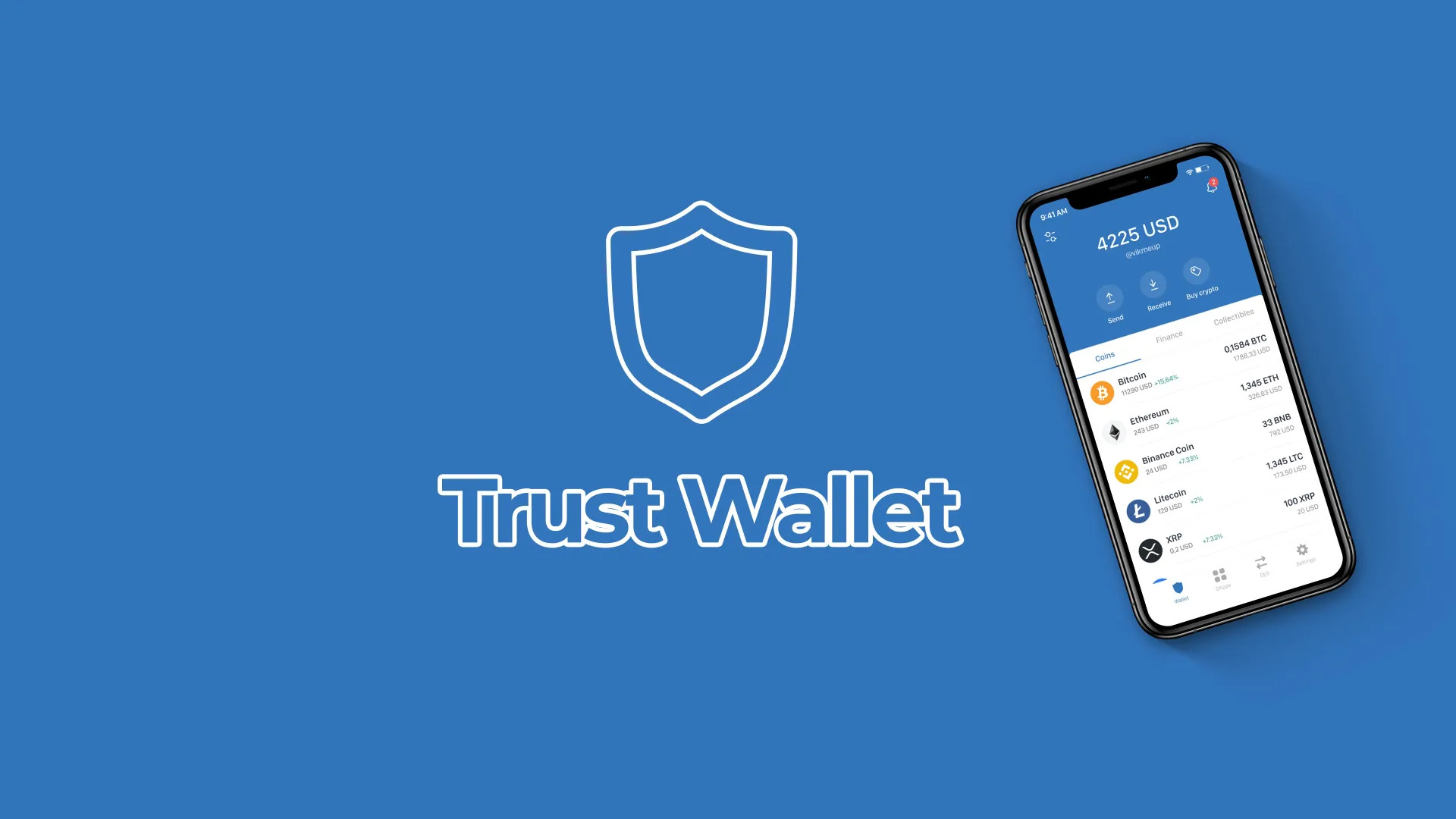
Practical recommendation: if you’re evaluating wallets, look for one that integrates DeFi aggregators with explicit hardware signing and a mobile-first UX that doesn’t hide approvals. A name I keep circling back to when recommending options is truts wallet. They strike a sensible balance between on-device confirmations, multichain support, and clear DeFi flows without overcomplicating the mobile experience.
FAQ
Is hardware signing mandatory for DeFi?
No, but it’s the safest option. For casual, small-value trades, a software wallet may be sufficient. For higher-value or repeated DeFi interactions, hardware signing reduces exposure to malware and phishing. Think of it as an insurance policy.
How do I know a bridge is safe?
Check the security model, audit history, and whether the bridge has had incidents. Prefer bridges with verifiable proofs, decentralized multisig governance, or those built into well-reviewed L2 solutions. Be skeptical of anonymous teams and unaudited code.
What’s the best way to manage gas on mobile?
Use wallets that estimate gas in fiat, suggest L2 routes, and let you schedule or batch transactions. Also, consider wallets that alert you to congestion and recommend delaying non-urgent ops. Small optimizations add up.